Software we have built and shipped for






You approve a fixed-fee scope before we write any code.
What are you looking to build?
Jump to what you need
★ 4.9 on Clutch · Updated June 2026
Software we have built and shipped for
Thirty minutes, no prep needed. Bring the shape of what you want built and we will talk through what it takes. If an off-the-shelf product is the better answer, you will hear that on the call.
Would rather write first? Send us a note and we will come back with next steps.
Six shapes of build. Every one is scoped, designed and coded by our own team in Calgary.
01 / 06
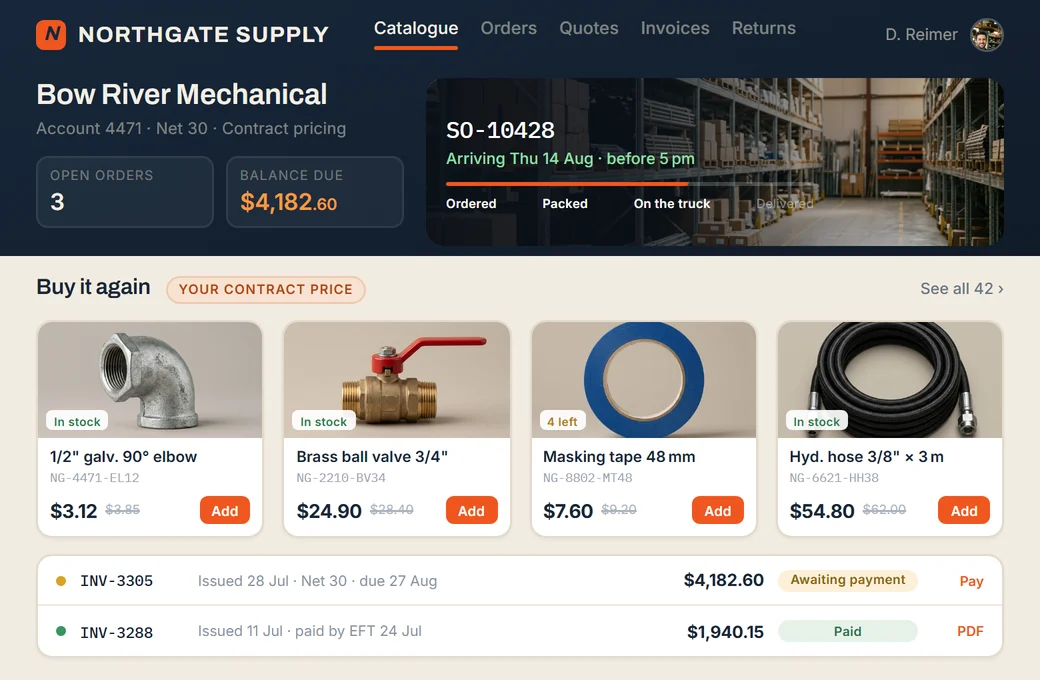
A private login where each customer sees their own account and does what they would otherwise phone or email you for. What goes inside it depends on your business.
Built it: StreetWise Property Management — owner portal with listings and maintenance requests.
02 / 06
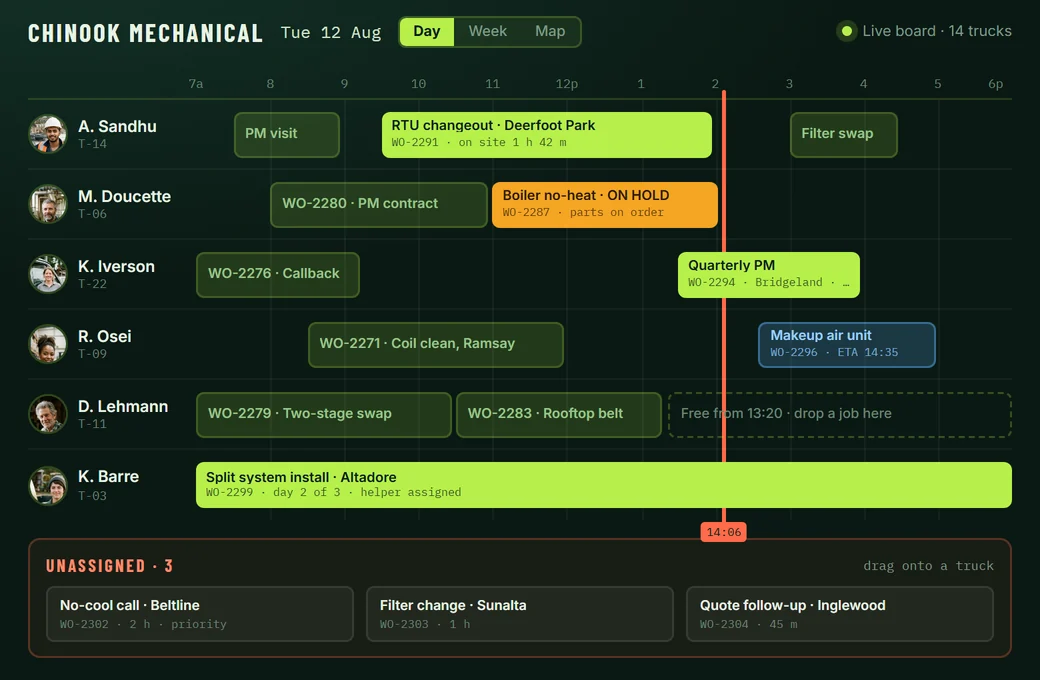
Software your staff work in day to day, and one screen showing where things stand.
Built it: the Employee Benefit Calculator — bulk Excel import, total compensation reports, admin controls.
03 / 06
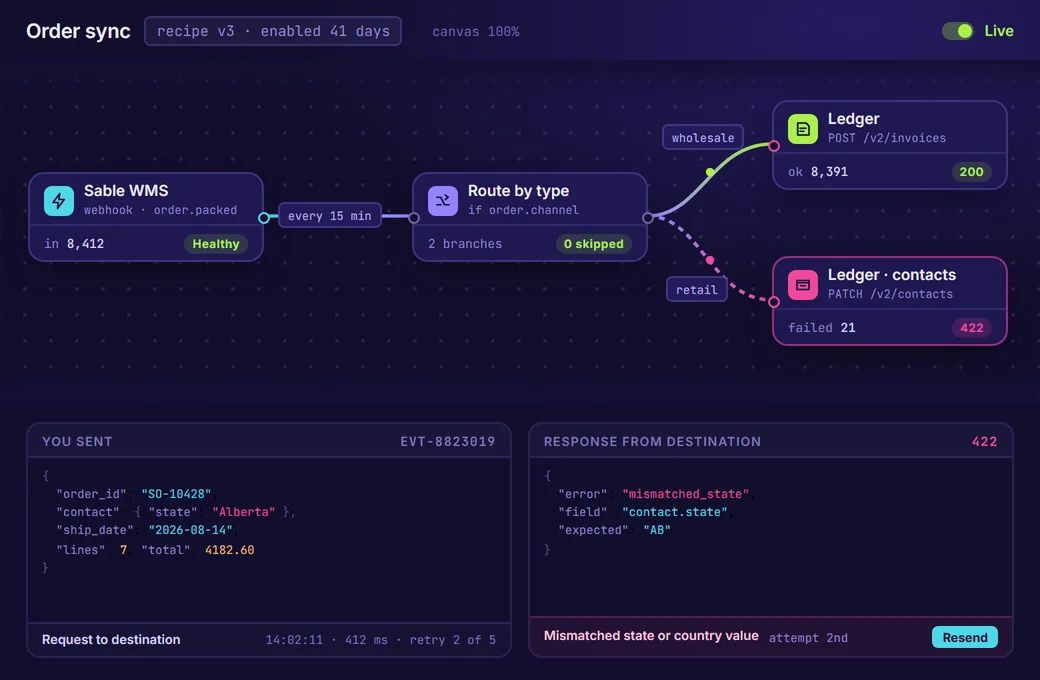
Connecting the systems you already run, so a record entered in one shows up in the other.
Related: Depot Express — five apps sharing one live data layer across ReactJS, .NET and PostgreSQL.
04 / 06
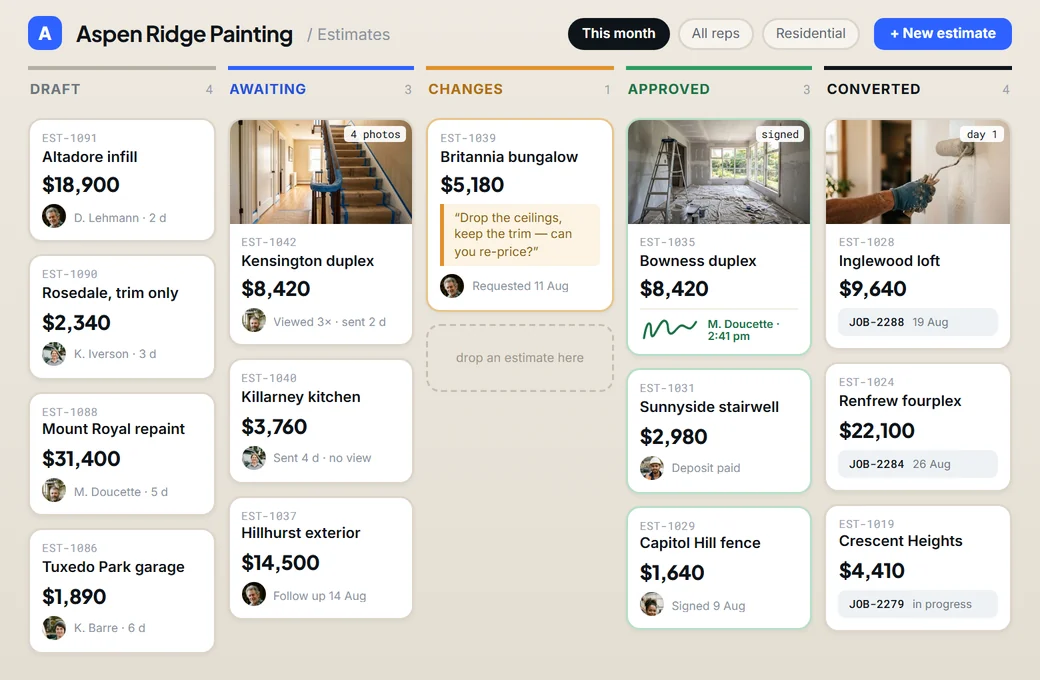
Software shaped to how your business actually runs, for the process no off-the-shelf product covers. Built when spreadsheets and off-the-shelf tools no longer cover the work.
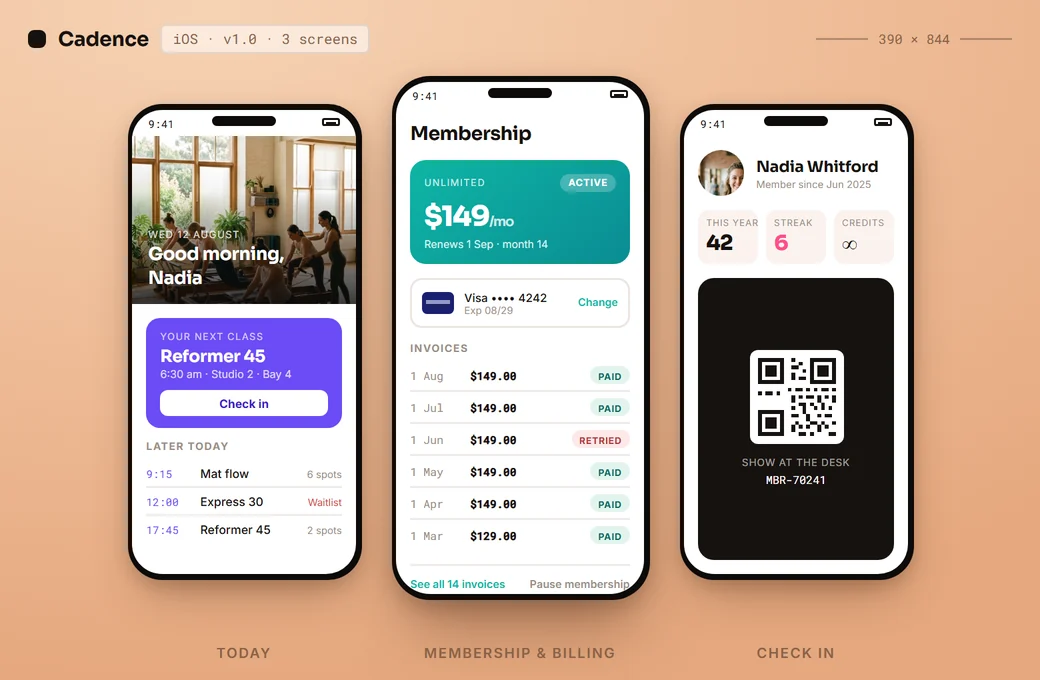
05 / 06
The core of the product, shipped fast enough to put in front of real users. Founders use it to test demand and raise money before funding the whole thing.
06 / 06
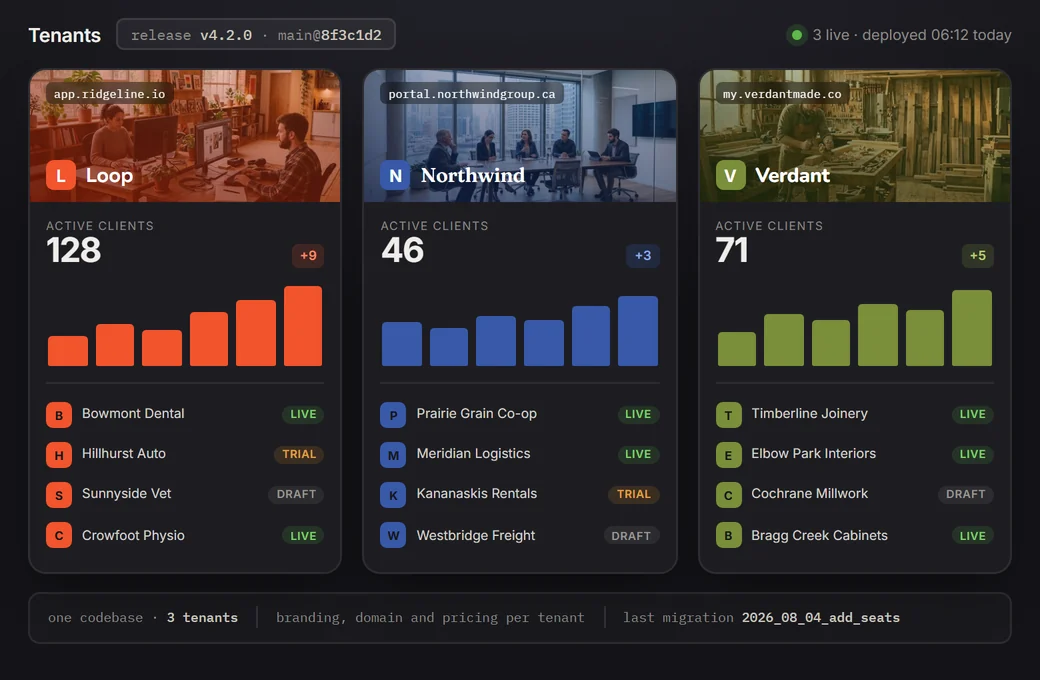
A product you resell under your own brand. Your logo, colours and domain on the front, our team on the code behind it.
Our process moves through five stages: discovery and planning, choosing the technology stack, development, review and feedback, then final delivery and support. You stay in the loop at every stage with regular updates and working previews, so there are no surprises at the end. Each project flexes to fit the scope you signed off.
You work with the people who write your code. Calibre is a Calgary boutique with an in-house team across development, design, testing, and UX, and no offshore handoffs. We scope every project at a fixed fee, build in short cycles you can review, and stay on as your support team after launch.
Developers, designers, testers, and UX in one studio, so your project never gets passed to a vendor you never met.
We quote against a written scope before work starts. The number you approve is the number you pay.
We document the code and stay on for support, so the system keeps running as your business changes.
Reviewed by Kuljeet Nagra, Founder & Owner at Calibre Consulting. Kuljeet has worked in IT since 1996 and builds bespoke business software with the Calibre team.
Custom software development is the work of designing and coding an application around one business instead of buying a generic tool and bending your process to fit it. The result matches how your team works, connects to the systems you already run, and grows as you do. Calibre builds these systems start to finish from our Calgary studio.
We hold alignment meetings to grasp your needs and business goals before a line of code is written.
We pick a stack that keeps the solution scalable, fast, and secure for the long run.
You get continuous progress updates, so the build stays on track with what you expected.
A customer portal is a secure, logged-in area of a website where your customers manage their own account. They view orders, download invoices, check order status, and message your team without phoning or emailing. A customer portal cuts support load and gives clients answers any hour of the day.
A B2B portal's cost tracks its scope: the number of user roles, the integrations into your inventory and accounting, and how much existing data you migrate. A focused ordering portal sits at the lighter end; tiered pricing, credit limits, and live inventory push it higher. We scope every B2B portal at a fixed fee against a written scope before any work starts.
An MVP, or minimum viable product, is the smallest version of your software that delivers real value to early users. It ships the core feature set and leaves the rest for later. Founders use an MVP to test demand, gather feedback, and raise money before committing to a full build.
Bespoke business software is built for one company's exact workflow rather than bought off the shelf. It fits how your team already works, so there are no licences for features you ignore and no forcing your process into someone else's tool. Bespoke business applications suit operations that spreadsheets and generic apps have outgrown.
Yes. We build white-label software you resell under your own brand. The product carries your logo, colours, and domain, while we handle the code, hosting setup, and updates behind the scenes. Agencies and SaaS founders use white-label software development to launch a branded product without staffing an in-house dev team.
Custom software cost varies widely, because custom software covers everything from a single internal tool to a multi-role platform with integrations. The price tracks scope: what it does, how many roles and systems it touches, and how much data moves. We quote a fixed fee against a written scope, so the number you approve is the number you pay.
It depends on what breaks first. The maths is usually fine. What goes is the record of who changed what, and which copy is the real one. At that point you have a system without any of the safeguards a system would have.
Yes, and it is usually cheaper than replacing either one. The work is the boring part: agreeing which system owns each field, then deciding what should happen when one of them is down. Worth checking before anyone proposes a rebuild.
When the off-the-shelf licence costs more in workarounds than the build would. Teams whose pipeline never fitted Salesforce or HubSpot without heavy configuration pay twice: once for the seats and again for the consultant who bends the tool each year. If a standard CRM fits, we will say so.
Grab a time at the top of the page, or send the shape of the build and we will come back with next steps.